
Medical & psychiatric collaboration focuses on the intersection between behavior, health, mental health, medication, and the daily environments where people live, learn, and receive care. Many individuals experience behavioral changes connected to medical conditions, pain, communication barriers, trauma history, or the effects of psychotropic medication.
O’ Kane Enterprises helps teams understand these overlaps, summarizing behavioral patterns in ways that assist prescribers, clinicians, and interdisciplinary teams in making informed decisions. Collaboration supports safer, more coordinated care — and clearer communication across systems.

We aim to contribute clearly and respectfully to existing clinical relationships. The focus is on useful, Behavior-driven information… not on duplicating the work of medical or psychiatric colleagues.
We summarize behavior patterns, triggers, and environmental factors in ways that help medical teams understand what is happening across settings. Clear, structured summaries can support decision making around medication, diagnostic questions, safety planning, or treatment changes.
Yes. With appropriate permissions, we collaborate directly with the child’s healthcare providers. This may include sharing data summaries, discussing assessment findings, or attending interdisciplinary meetings. The goal is to ensure cohesive, data-driven, person-centered support.
This is a common question. By reviewing patterns, timelines, triggers, and environmental conditions, we help teams identify whether behavior is more likely related to clinical factors, learning history, communication needs, or a combination of influences. Recommendations always take both perspectives into account.
In many cases, yes. When teams understand how clinical and environmental factors interact, they can respond more effectively — often preventing crises before they escalate. Improved documentation also supports clinicians in making safer, more informed decisions.
Brief case illustrations highlight collaboration with families, schools, and interdisciplinary teams to address high-risk behavior.
Through assessment, data-driven planning, and ongoing coaching, teams build confidence, improve safety, and increase meaningful participation in home, school, and community life.
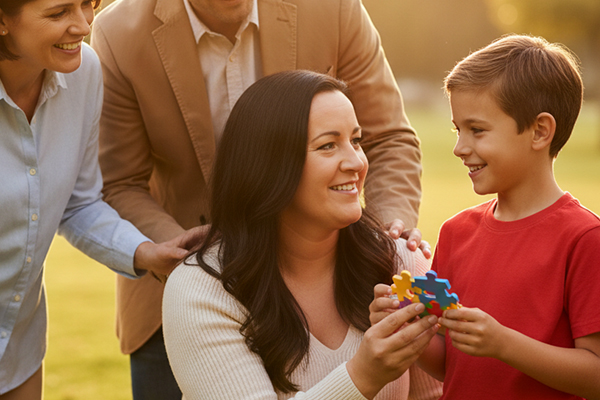
Examples include long-term collaboration with districts to support students with significant behavior challenges.
Consultation emphasizes teachable skills, positive supports, and sustainable practices that fit within real-world school environments.

Collaborative projects with medical and psychiatric providers help align behavioral data with treatment decisions.
Shared understanding of behavior patterns, medication effects, and environmental factors supports safer, more effective care.


O’ Kane Enterprises
ABA (Applied Behavior Analysis) Services & Special Education Consultation
info@okaneaba.com
(901) 201-9916
© O’ Kane Enterprises. All Rights Reserved. Designed By The Artisan's Place