
Severe & complex behavior refers to high-risk behavioral patterns that may include Physical Aggression, Self-Injury, Property Destruction, Elopement, or behavior that significantly disrupts daily life and places the child and others at risk of harm. These situations often involve multiple contributing factors — medical, psychiatric, environmental, and historical — and require a structured, coordinated approach.
O’ Kane Enterprises provides detailed assessment, crisis-informed planning, and targeted consultation designed to stabilize risk, improve safety, and help teams respond confidently across home, school, day programs, and residential environments.

Consulting is collaborative and staged. We start with listening, then co-design realistic steps that fit your context, resources, and regulatory environment.
Severe & complex behavior requires a higher level of structure, coordination, and safety planning. We focus on crisis-informed assessment, clear risk-reduction strategies, and collaboration with all providers involved in the person’s care.
Yes. When appropriate and with permission, we coordinate with crisis teams, emergency responders, psychiatry, and other clinical partners to ensure safety planning is consistent and actionable across systems.
Absolutely. Severe and complex behavior often occurs across different environments, so we gather information from all relevant settings and help teams create consistent responses that reduce risk and build long-term stability.
Yes. Consultation can support transitions following hospitalization or help teams understand whether clinical factors may be affecting behavior. Coordination with medical and psychiatric partners is common within this service.
Brief case illustrations highlight collaboration with families, schools, and interdisciplinary teams to address high-risk behavior.
Through assessment, data-driven planning, and ongoing coaching, teams build confidence, improve safety, and increase meaningful participation in home, school, and community life.
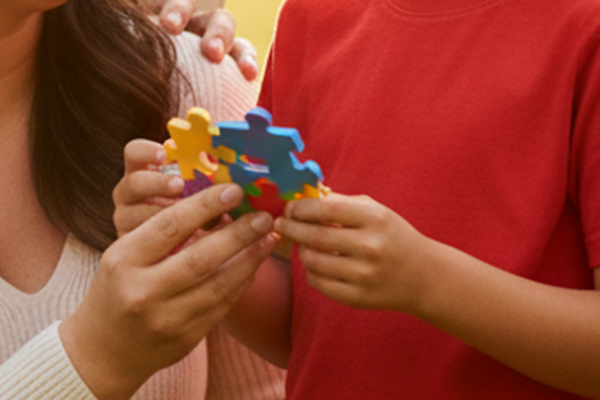

Examples include long-term collaboration with districts to support students with significant behavior challenges.
Consultation emphasizes teachable skills, positive supports, and sustainable practices that fit within real-world school environments.

Collaborative projects with medical and psychiatric providers help align behavioral data with treatment decisions.
Shared understanding of behavior patterns, medication effects, and environmental factors supports safer, more effective care.


O’ Kane Enterprises
ABA (Applied Behavior Analysis) Services & Special Education Consultation
info@okaneaba.com
(901) 201-9916
© O’ Kane Enterprises. All Rights Reserved. Designed By The Artisan's Place